> For the complete documentation index, see [llms.txt](https://guides-mechboards.gitbook.io/guides/llms.txt). Markdown versions of documentation pages are available by appending `.md` to page URLs; this page is available as [Markdown](https://guides-mechboards.gitbook.io/guides/mbuk-build-guides/wired-lily58-build-guide-wip.md).
# Wired Lily58 Build Guide (WIP)
Hey, if you’re reading this, you’ve hopefully just received a shiny new Lily58 kit from Mechboards!
*This build guide features the MX variant of the Lily58, but the build guide will be the same for the choc variant too!*
## Contents of the Kit:
First things first, let’s check we've got everything included in the kit. If there’s anything missing, send us a message [here](https://mechboards.co.uk/pages/faq) so we can get you back to the build ASAP! (Spares are included in the contents below)
| | | |
| ------------------------------ | --------------------------- | ------------------------------ |
| 1 x PCB | 2 x Acrylic OLED covers | 60 x Mini-E LEDs |
| 2 x Switch plates | 60 x SMD diode | 20 x Underglow LED |
| 2 x Frosted acrylic backplates | 60 x Hotswap sockets | 2 x OLED screens |
| 1 x TRRS cable | 2 x Rotary encoders + knobs | 2 x RP2040 controllers |
| 2 x Zener diodes | 2 X 15Ω resistors | 2 x OLED sockets |
| 4 x Controller sockets | 2 x Reset switches | 2 x TRRS jacks |
| 50 x Mill-max pins | 10 x Rubber feet | 12 x 6/8mm Standoffs (choc/MX) |
| 5 x 12mm Standoffs | 16 x 4mm Screws | 16 x 6mm Screws |
## Other Parts Required:
There are a couple of parts that are required for the build that aren't included in the kit, hopefully you've already got these:
| | | |
| ---------------------------- | ------------------ | - |
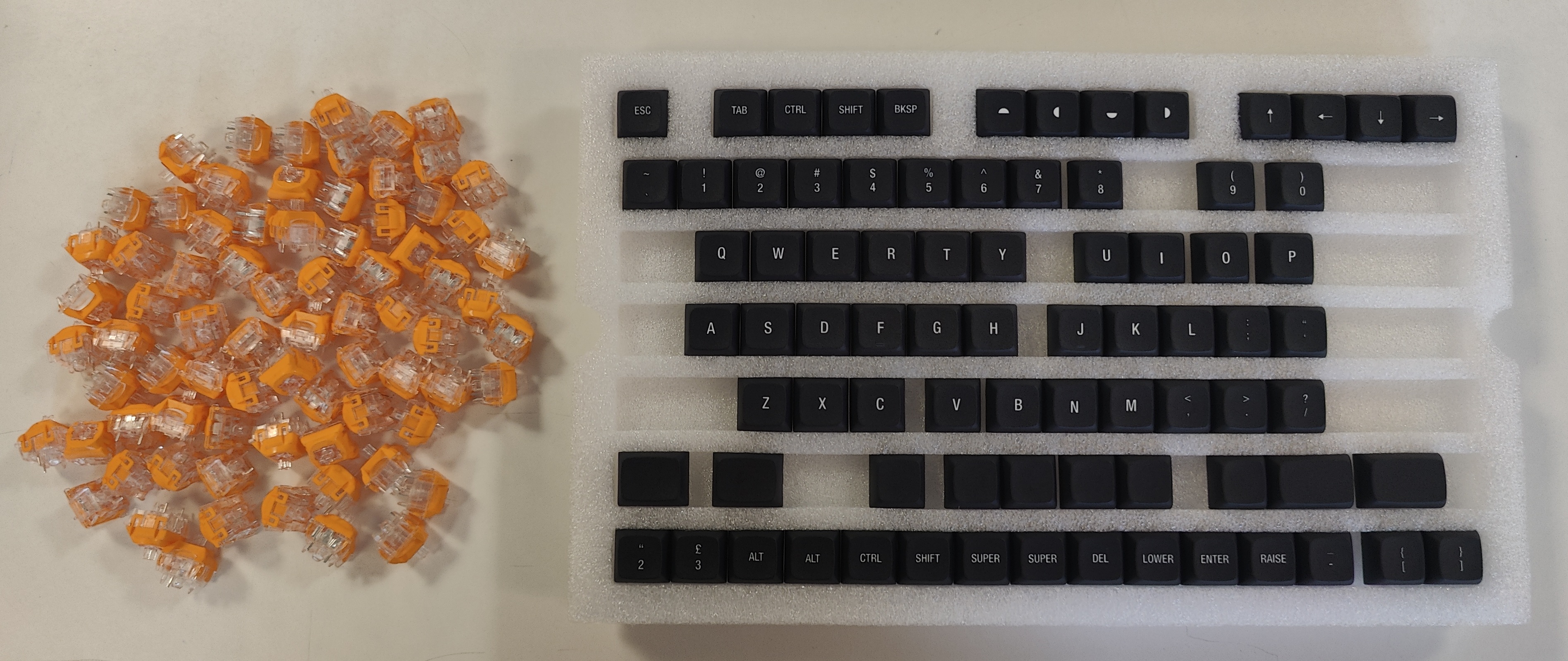
| 60 x Switches of your choice | 1 x Set of keycaps | |
## Tools Required:
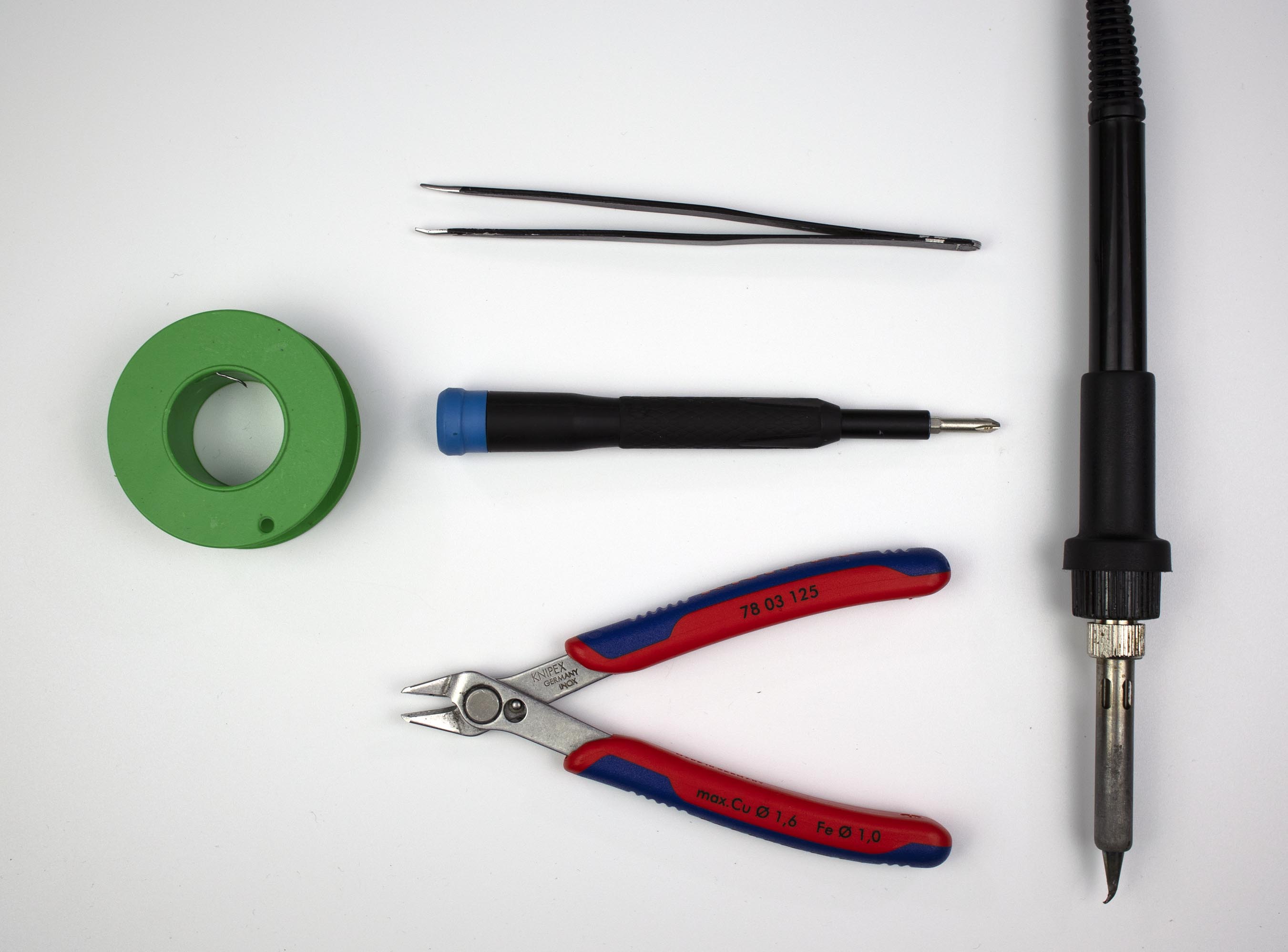
Here's a list of the tools you need to build the keyboard:
| | | |
| -------------- | ------------------------------ | -------- |
| Soldering iron | Phillips head screwdriver (M2) | Tweezers |
| Solder | Snippers/Cutters | |
## Making the Lily58:
### Step 1: SMD Diodes
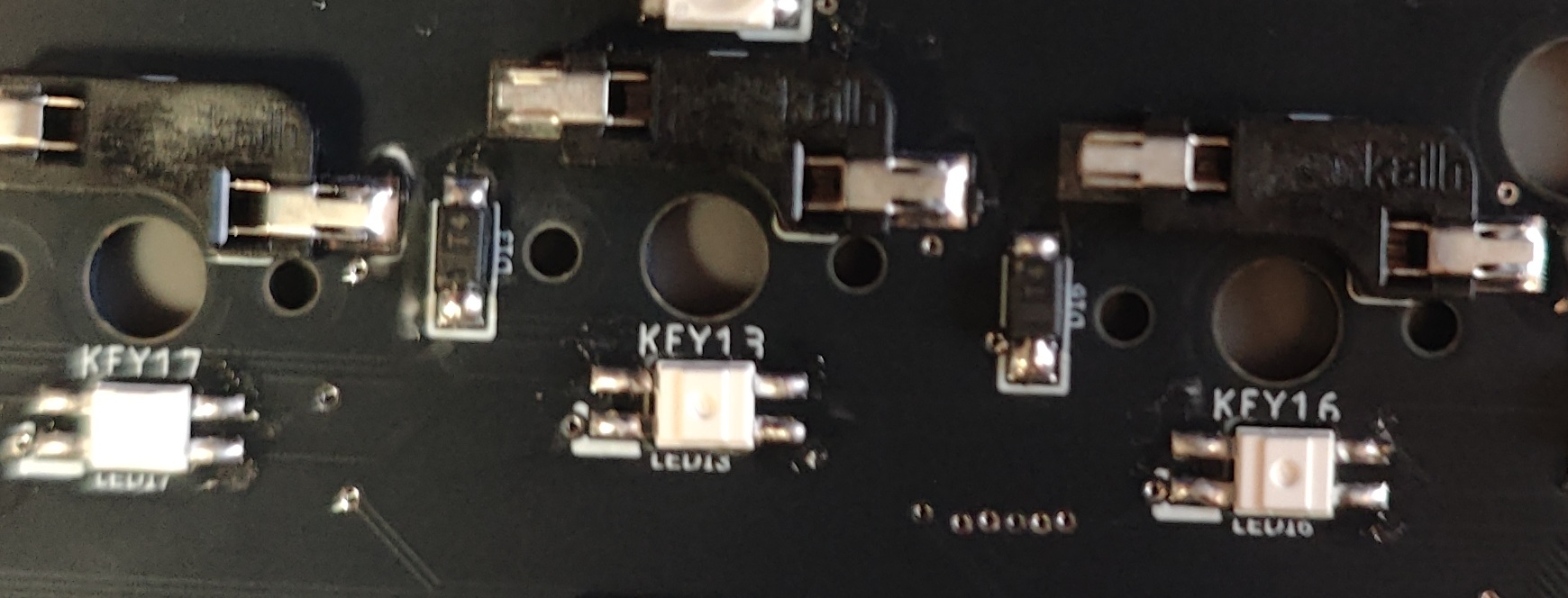
The first components to add to the PCB are the SMD diodes. We can get started by applying a small amount of solder to one of the pads we're attaching the diodes to, as shown below:
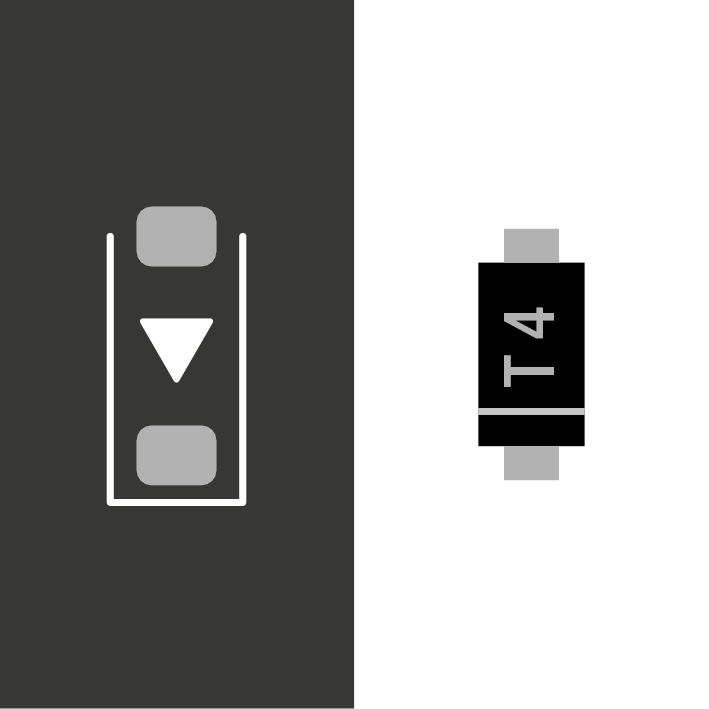
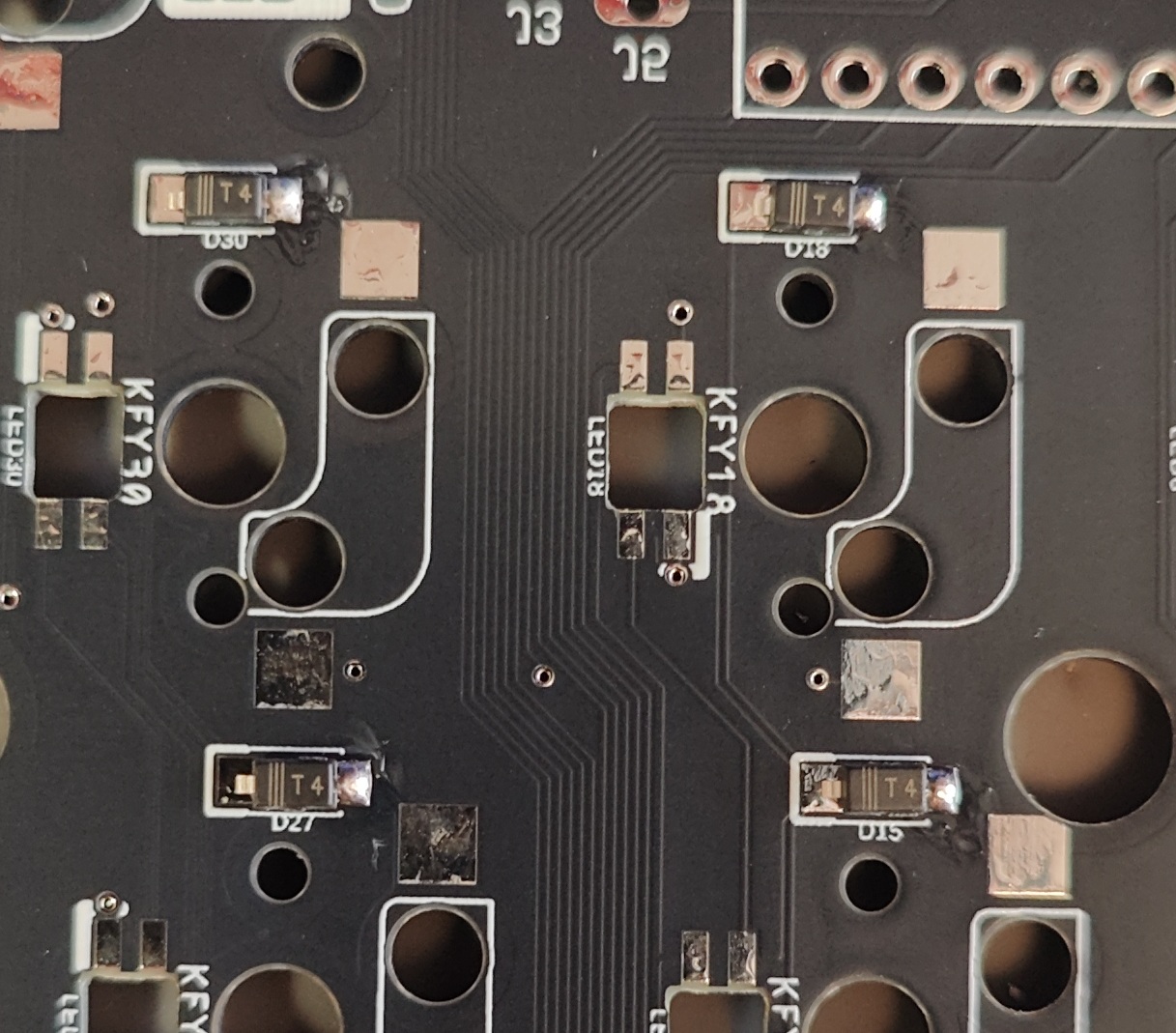
Once the pads all tinned (soldered), we can add the diodes by melting the already placed solder with our iron and gently placing a diode leg into the solder and then leaving it to harden in place. The line on the diode should be facing the same side as the line on the PCB, as pictured below:
IMAGE OF DIODE ORIENTATION
Now we just have to solder the remaining diode legs to their pads:
### Step 2: Soldering the LEDs
The second components we're adding are the underglow LEDs. We'll begin by again, applying a small amount of solder to one of the pads as shown below:
{% hint style="danger" %}
We recommend soldering at around 300°C to avoid melting the underglow and per-key LEDs, they're a lot more sensitive to heat than other components.
{% endhint %}
IMAGE OF SOLDERING UNDERGLOW LED PADS
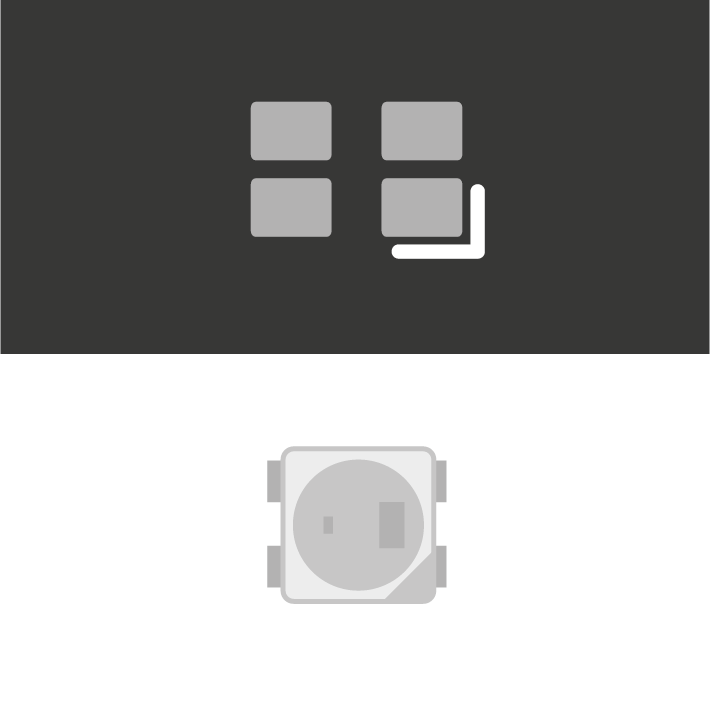
Once the pads are soldered, we can repeat the same process used for the diodes; heating one pad, placing the LED pad onto the solder, and then allowing the solder to harden. (Avoid touching the LED with your soldering iron) Be sure that the small cut out on the front of the LED matches the markings on the PCB, like this:
There's quite a few underglow LEDs on the Lily58 (and their locations are a bit sporadic) so here's a picture to highlight where they should all be:
Next up are the per-key (Mini-E) LEDs, just like the underglow LEDs, these are sensitive to heat.\
We'll begin by again, applying a small amount of solder to one of the pads as shown below:
Now that the pads are ready, we can again, gently heat one of them, place the LED leg into the solder, and then allow the solder to set.\
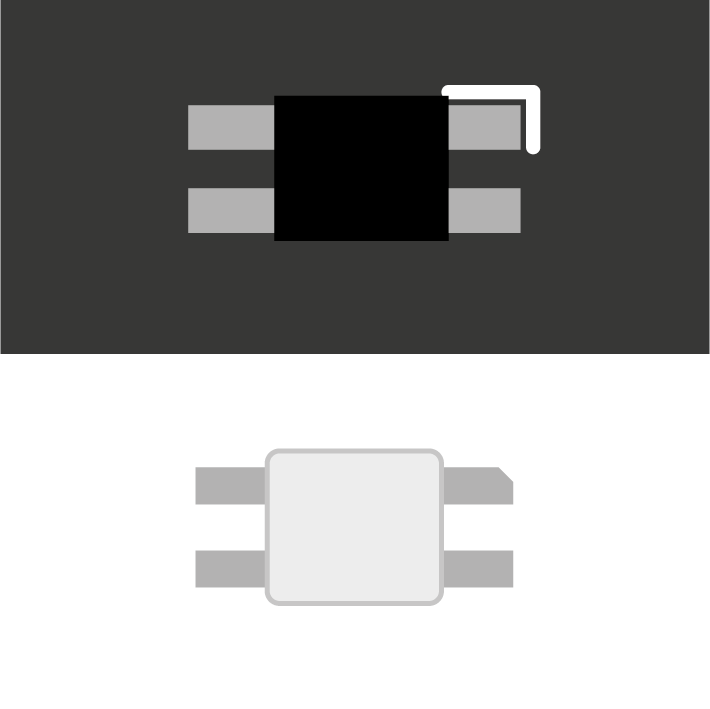
Make sure the small cut-out on one of the legs matches the marking on the PCB, like this:
Once the LEDs are all in place, we can go ahead and solder the remaining legs to their respective pads!
### Step 3: Hotswap Sockets
Now for the hotswap sockets, I tend to find it easiest to place all of the sockets in their outlined positions and then solder them into place one side at a time. but you can also use the same method as previous components!
{% hint style="success" %}
From here you can turn your soldering iron's temperature back up, it can make soldering a bit easier!
{% endhint %}
### Step 4: Socketing Controller and OLED screen
{% hint style="info" %}
**We recommend flashing your controller before beginning this step, just to check it's in a working condition. If you're unsure how to do this, check out our wired pre-build page, this has instructions on how to flash your controller:** [**Flashing Guide**](/guides/other-guides/controller-flashing-guide-rp2040-wired-kits.md)
{% endhint %}
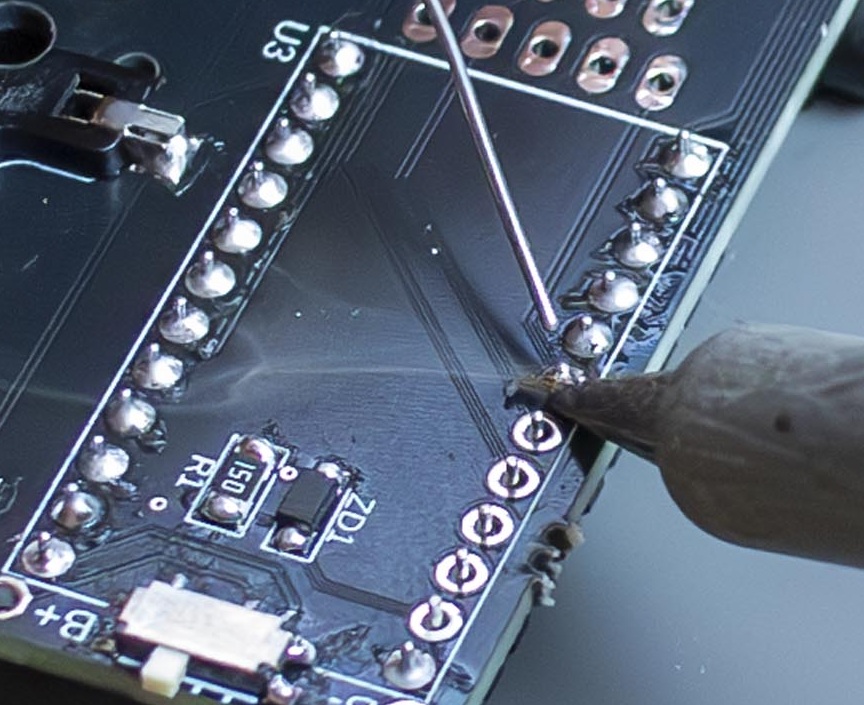
Next is getting our controllers onto the board. First off, insert the sockets into the top side of the PCB (opposite to the side with the hotswap sockets), soldering the top and bottom pins to secure them.
{% hint style="danger" %}
**Be careful to only adjust using the middle of the sockets, heating the solder can cause the end pins to become very hot**
{% endhint %}
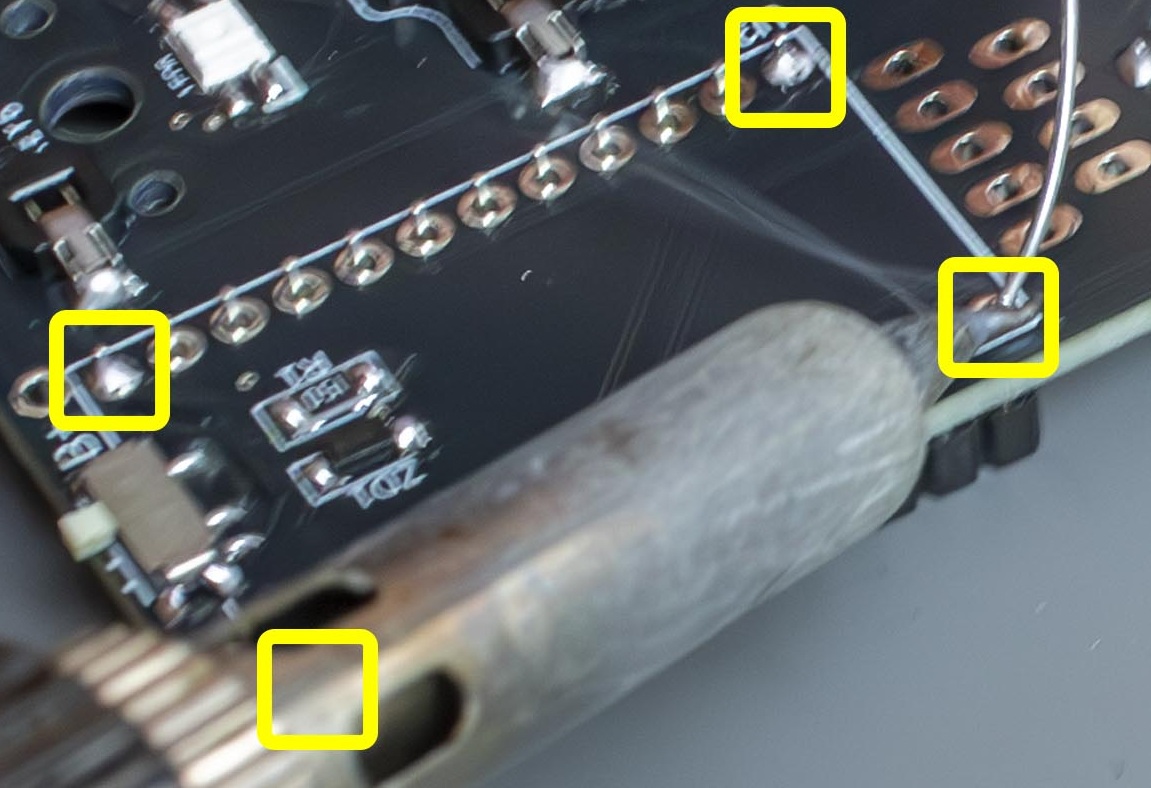
From here we can heat the solder on these pins and readjust them until they're flat and straight:
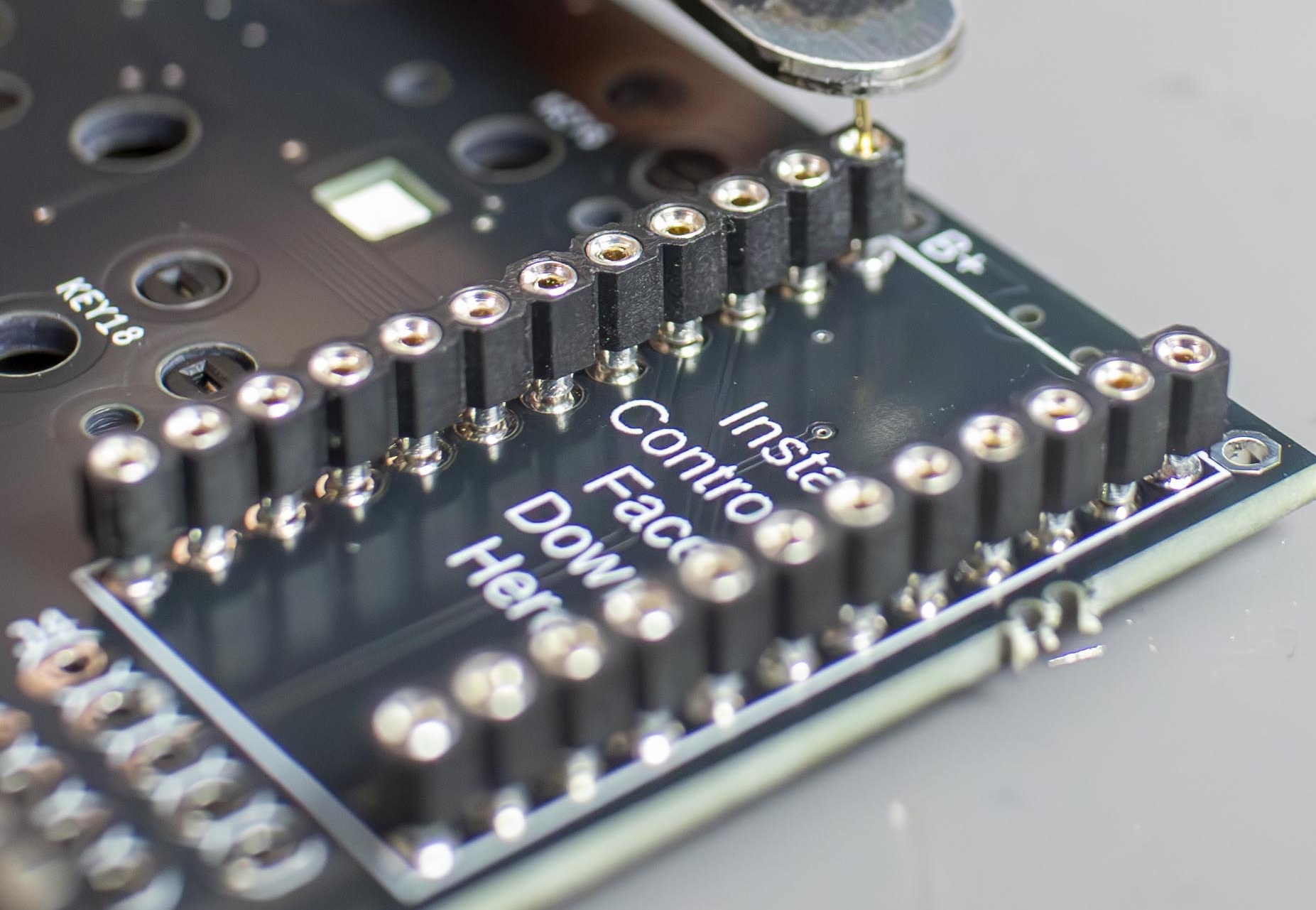
Now that we've got the sockets in position, we can solder the rest of them. Once they're secured, we can insert our socket pins. I'd recommend placing the pins into the sockets with tweezers, and then using something flat to push the pins in completely, being careful not to bend them. Here I'm using the other end of the tweezers:
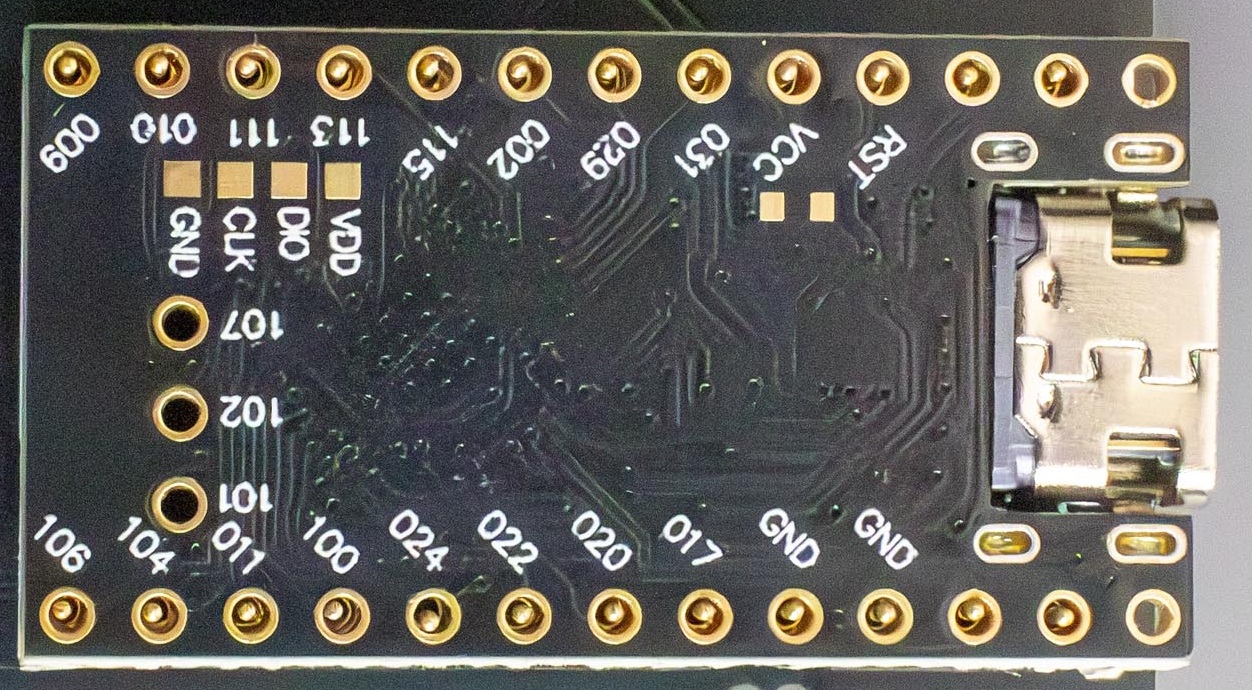
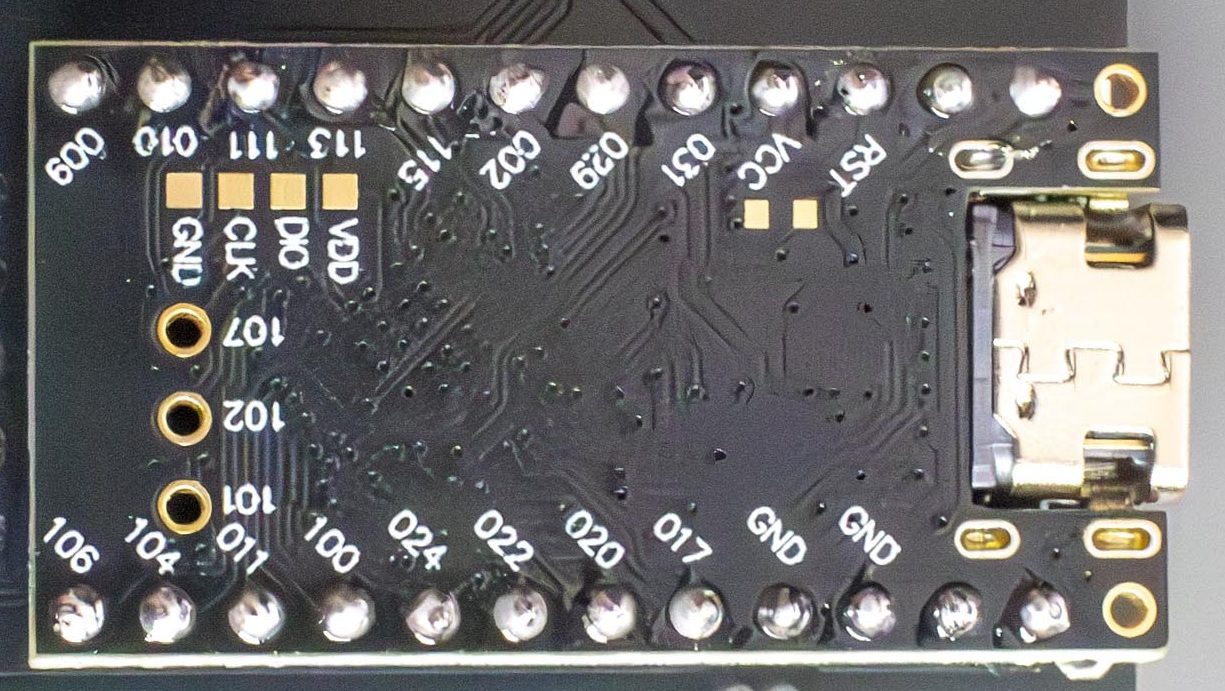
Once we've got the pins into position we can place the controllers component side down onto the pins/sockets, from here we can solder the controller to the pins (being careful not to heat them for too long, as this can cause the solder to travel down the pin and flood the socket):
{% hint style="warning" %}
When using our controllers, make sure the pins start at the bottom of the controller, leaving the top ones empty!
{% endhint %}
The OLED sockets are a similar process to the controller sockets, soldering one pin, heating/adjusting, and soldering the remaining pins:
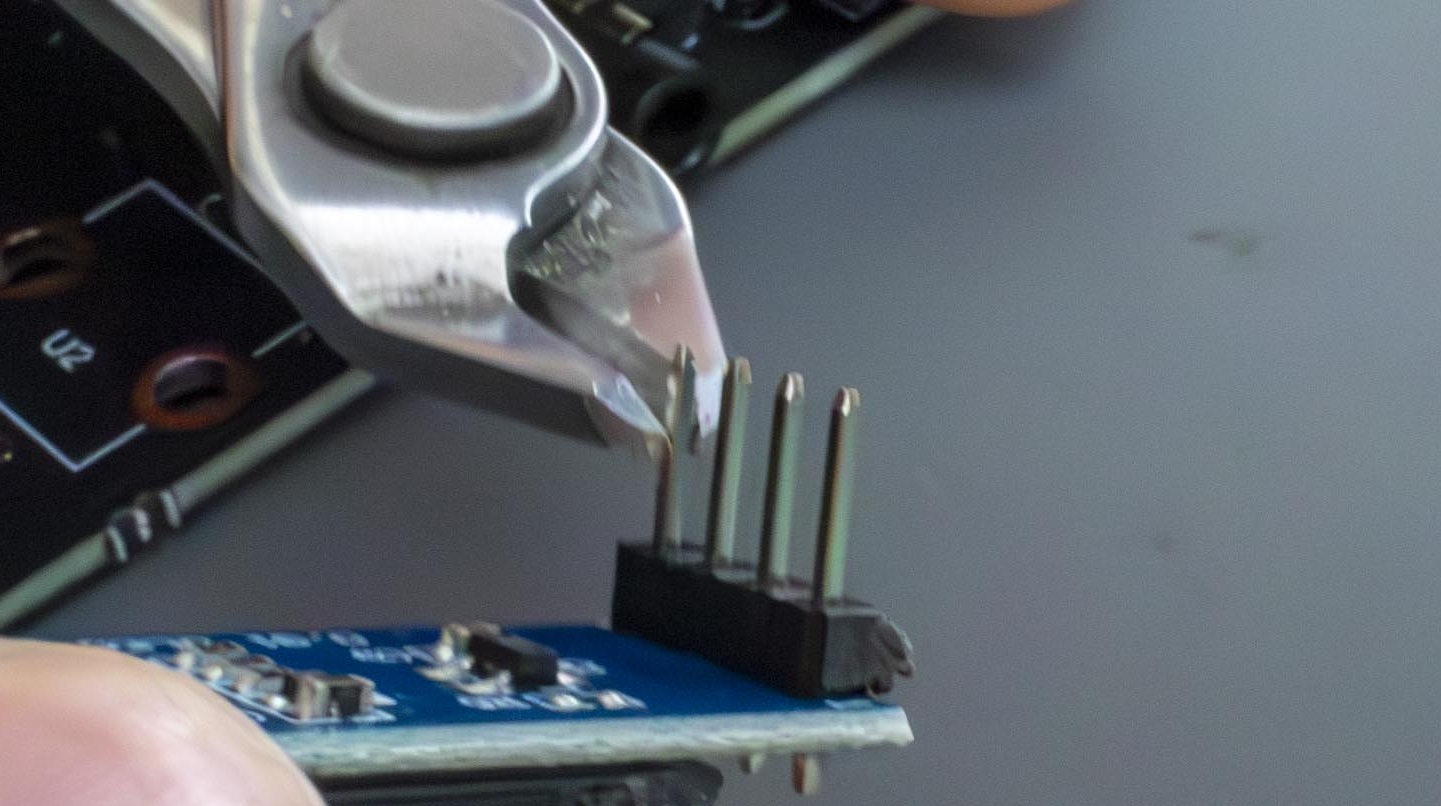
Once the OLED sockets are installed, we can insert the OLED screen. To make it a flush fit, we'll need to trim the pins with some flush cutters:
Sorry for the out of sequence image, we'll install the TRRS jack and reset switch in the next step!
{% hint style="warning" %}
**Now is a good time to give your build a test, so you can troubleshoot any issues before screwing the case together. Feel free to get in contact if you run into any issues.**
{% endhint %}
### Step 5: Other Components
Now we've got a few different components to add on, the process for all of these will be similar to the previous steps!\
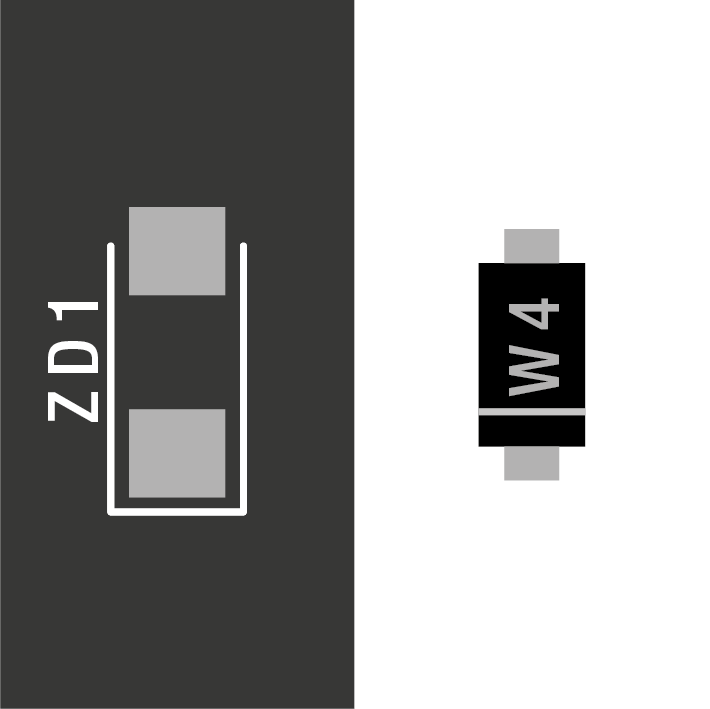
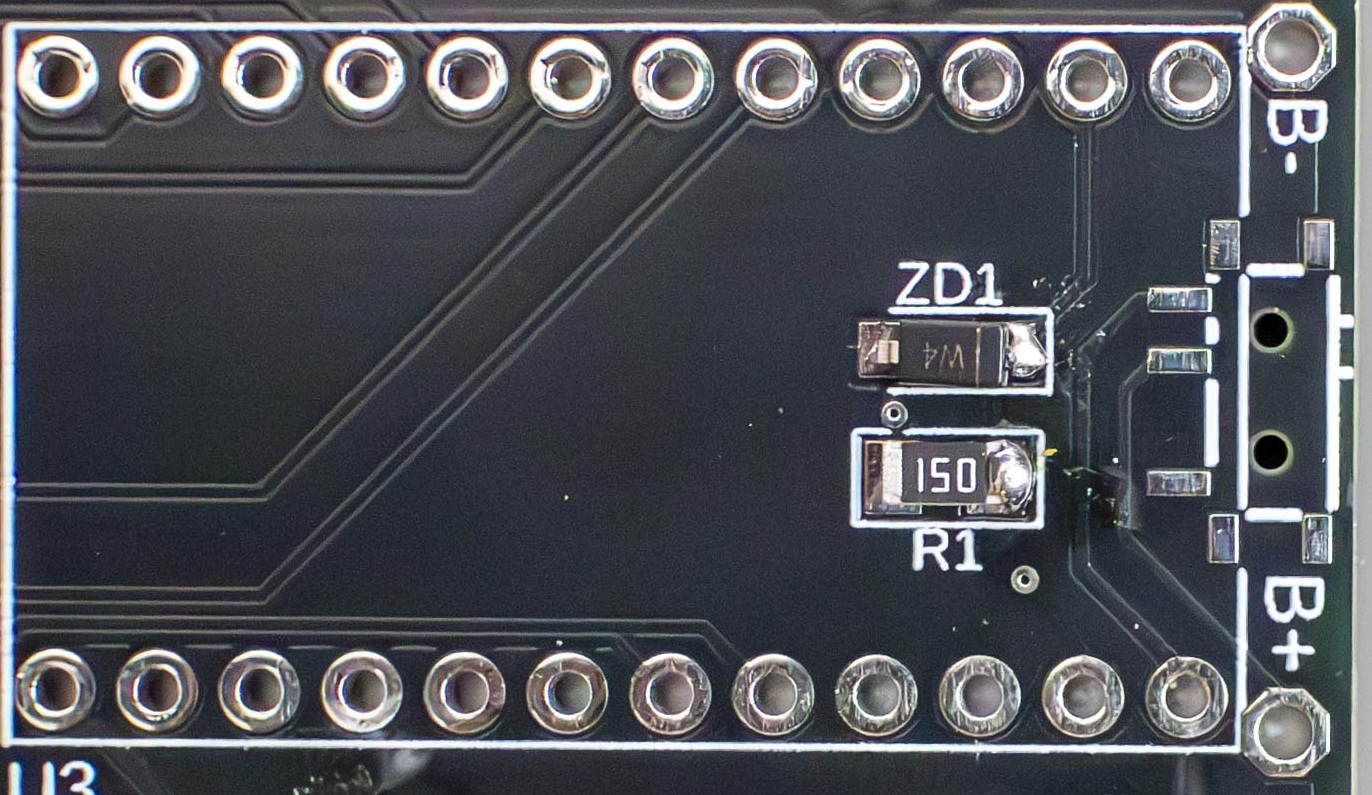
First up the zener diode and resistor, this is the same process as the diodes, although we don't have to worry about the resistor orientation, so it has slightly different PCB markings (The line on the zener diode should be facing the line on the PCB)
{% hint style="warning" %}
The orientation of the resistor can be in either direction, but the zener diode follows the same rules as the other diodes!
{% endhint %}
Next are the TRRS Jacks and reset switches. For the jacks, we can solder one pin and adjust them to make sure they're flush, be careful to avoid the pin you're heating though. And for the reset switches, these tend to stay in place with the friction from the pins once inserted.
{% hint style="danger" %}
**Please note - Do not insert or remove your TRRS cable while the keyboard is powered on!**
{% endhint %}
### Step 6: Installing Switches and Assembling Case
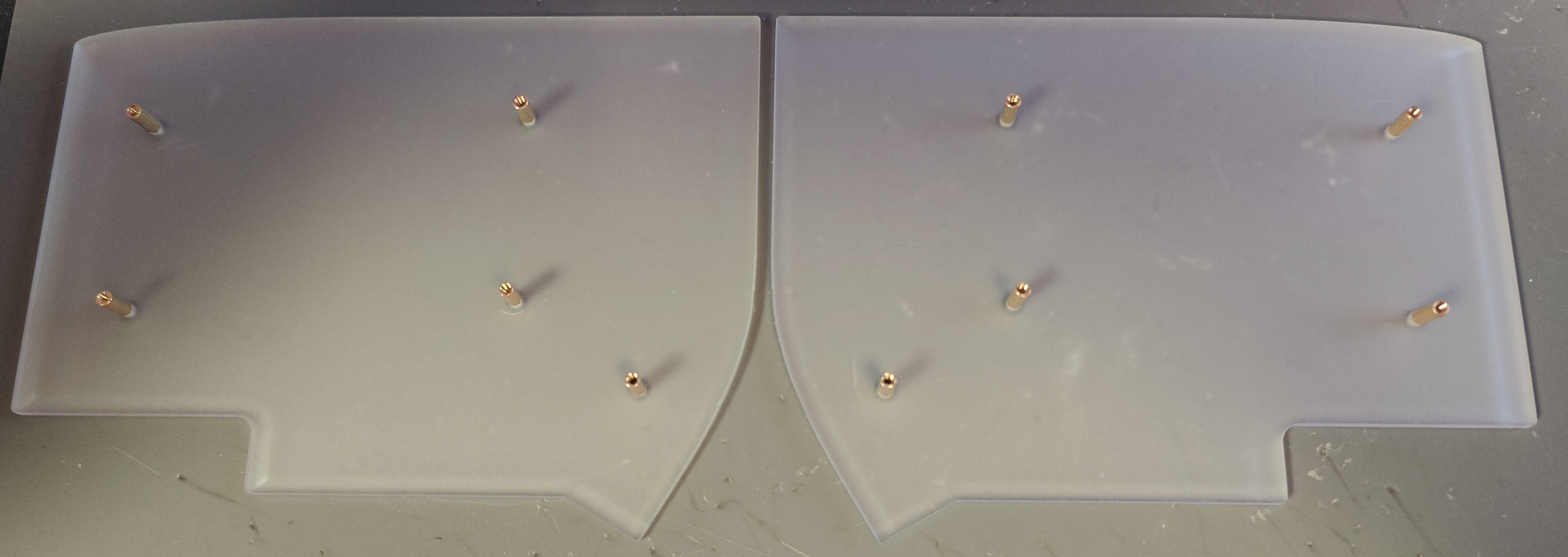
Almost there now, just a couple more steps to go! We're going to start by screwing our 6mm (choc) or 8mm (MX) standoffs onto the frosted acrylic bottom plate, using the 6mm screws.
Next up, we're putting the 12mm standoffs with 4mm screws onto the PCB, these will be what we're attaching our acrylic OLED covers with at the end of this step. It's a good idea to do this now, as it can be a bit of a pain when the switch plate is in the way!
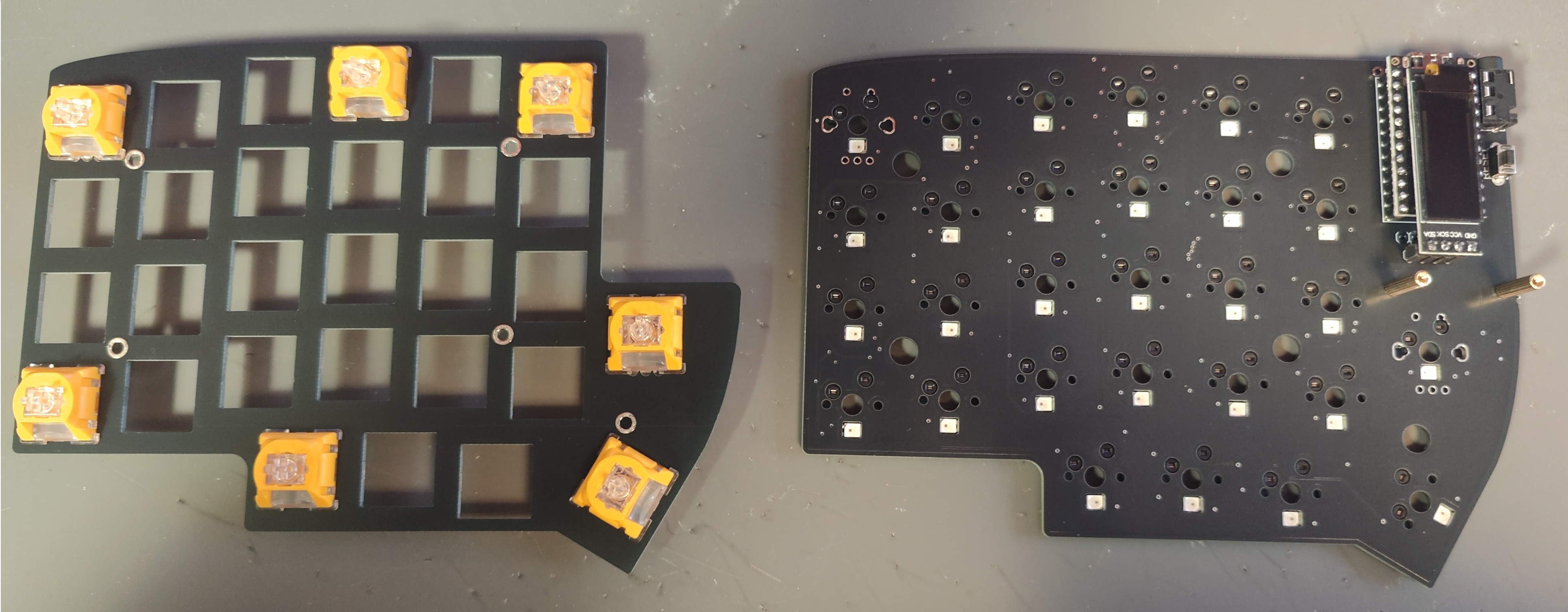
Now we can grab our switch plates and pop a few switches into the plate, and then insert these switches into the PCB, being sure to check the pins are straight and aligned with the hotswap sockets:
{% hint style="warning" %}
Be aware of the thumb key orientation, if they're the wrong way you can stab the per-key LED.
{% endhint %}
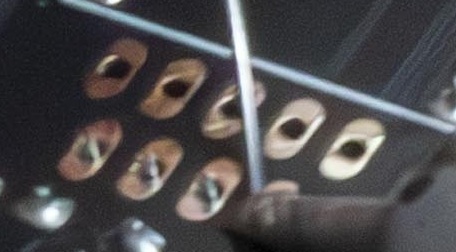
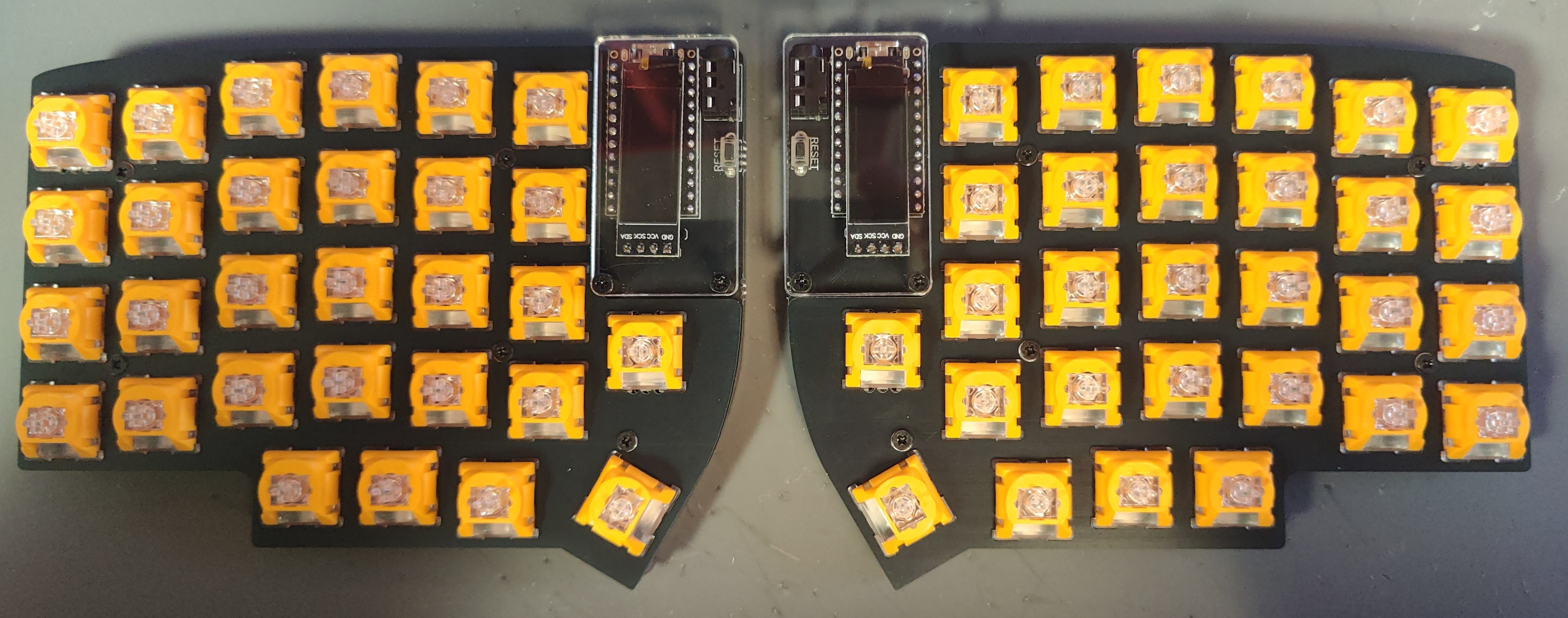
Once we've got our plate in place, we can begin to insert the rest of the switches. Sometimes the plate can drop in this process (mainly choc builds), but that's no worry, the plate tends to come back up when installing the keycaps, or we can use something thin to pop the plate back up into position:
We can now finish assembling the case by placing the PCB and switch plates onto our pre-prepared bottom plates, and screw them together from the top, with 4mm screws.
Finally, we can screw on our acrylic OLED covers with the remaining 6mm screws. The Lily acrylic covers aren't symetrical, and can interfere with the keycaps if they're on the wrong way around. Once side should have a thinner edge next to the screw-hole, this one should be closest to the switches:
{% hint style="warning" %}
Be careful not to screw these too tightly, acrylic is fragile!
{% endhint %}
### Step 8: Installing Keycaps and Changing Layout
Our final step here is a nice and easy one, we can now install our preferred set of keycaps!\
This is as simple as matching the keycaps to our layout of choice, and pushing them onto our switches.\
If you're using [our default firmware](/guides/getting-started/wired-solder-kits.md) (or any that's via compatible), you can view/alter the layout here:
And that's it, you should now have a complete Sofle V2 to get typing on!










.jpg?alt=media&token=72900728-aa31-46c2-897d-e2cac2486347)